
14 Feb 2015, 03:16 pm Print

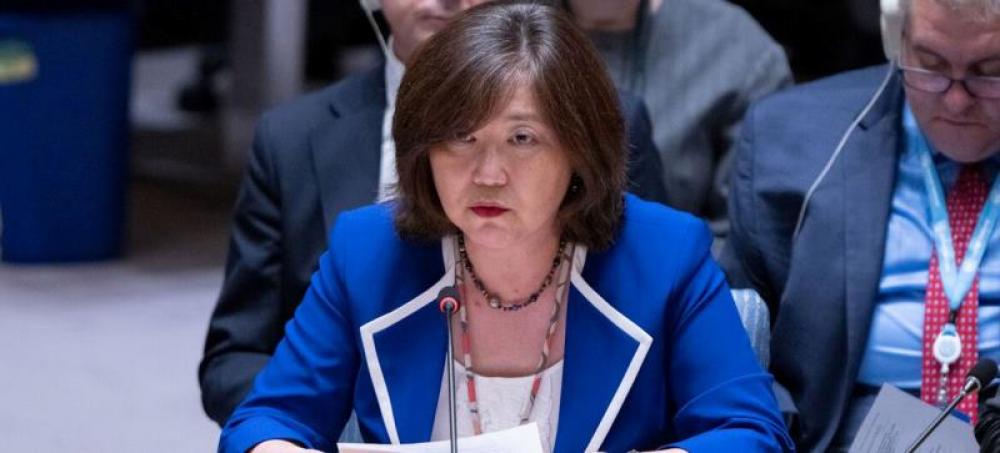
Jennifer Topping, UN Resident Coordinator and chair of the Humanitarian Country Team in Mozambique said: “The floods have devastated large parts of some of the most disadvantaged and productive communities in Mozambique.”
Earlier in the week, the UN Central Emergency Response Fund (CERF) approved a $3.2 million allocation to support the most affected populations in accommodation centres in Zambézia.
“Every bit of help will be necessary to make sure people don’t slip further into deprivation and can return quickly to productive livelihoods,” assured Ms. Topping.
The objectives of the proposal strategically cover immediate response as well as a 3-4 month recovery phase that encompasses lifesaving assistance to flood victims, such as shelter, water, sanitation, food, health and education.
Interventions focusing on early economic recovery are also included. Funds will be utilized to restore livelihoods and homes; boost logistics and operational capacity to expeditiously distribute relief items; and stimulate local recovery and reconstruction activities and markets.
Limited access to affected areas continues to hinder effective response. Flooding in the Licungo river basin has caused serious damage to numerous roads and bridges, especially in Zambézia where an estimated 70 per cent of the province remains unreachable by land.
In 30 days, as the waters recede and access to flooded areas improve, the proposal will be updated to reprioritize the top needs.
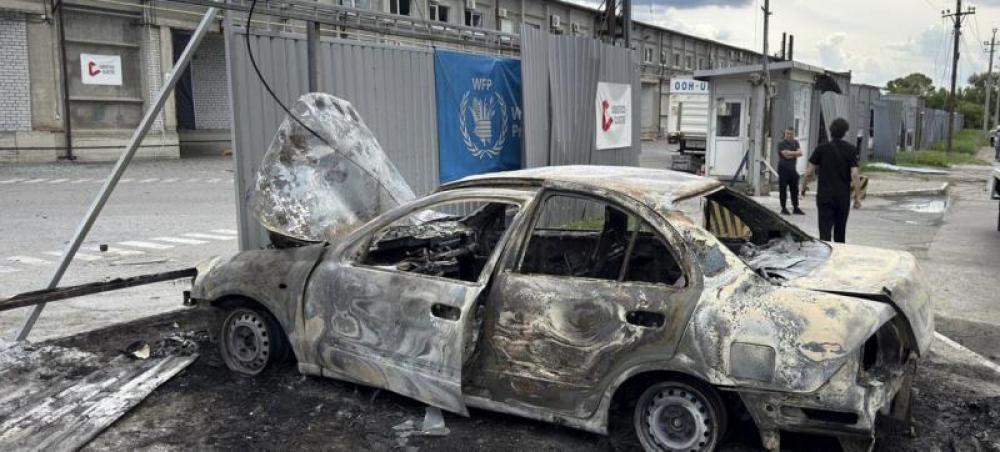
Photo: OCHA
- AI’s hidden impact: Study shows massive strain on water, land, and climate revealed
- El Niño 2026 warning: 90% chance of powerful climate event, WMO says
- Meteor explodes over Massachusetts, triggering massive boom and ground shaking across region
- Climate change alert: Rising temperatures could turn heart disease into an even bigger public health crisis
- Climate shock warning: Earth could break heat records again before 2030, finds study