

Just Earth News | @justearthnews | 01 Jul 2020, 07:50 am Print
Wikimedia Commons
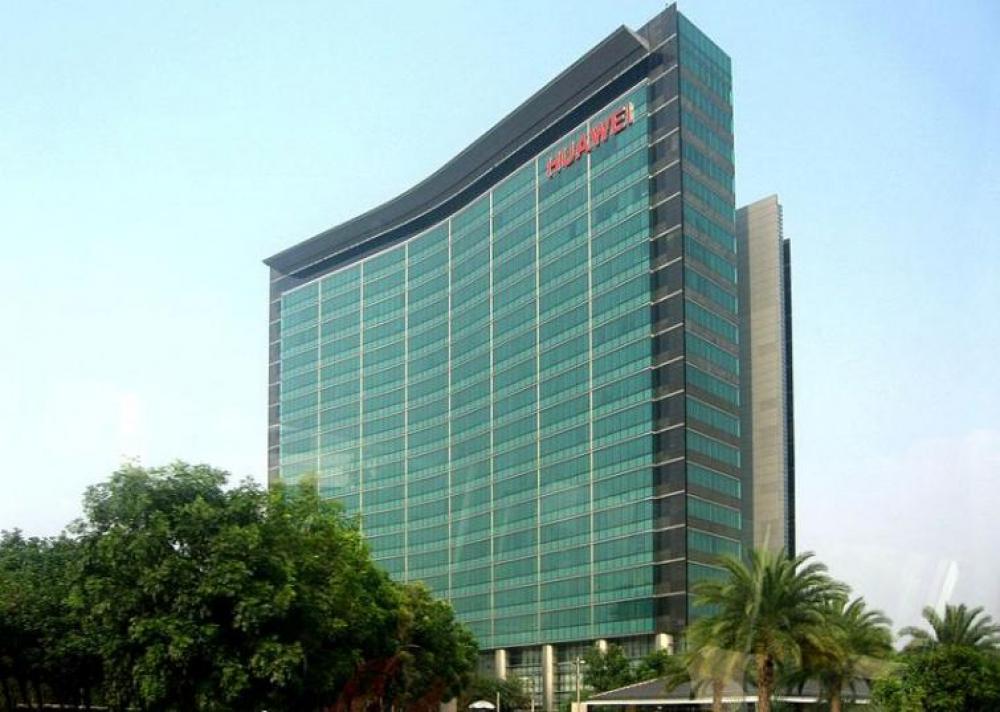
Washington: The US Federal Communications Commission has said Huawei and ZTE pose a national security threat to the integrity of the country's communications networks and communications supply chain.
"This decision means that funds from the FCC’s Universal Service Fund cannot be used to purchase, obtain, maintain, improve, modify, or otherwise support any equipment or services provided by Huawei or ZTE," read the statement issued by the US body which regulates all communications technology.
"This designation is the latest step that the FCC has taken to secure America’s communications networks from the threats posed by Communist China and bad actors that might do its bidding," read the statement.
“We cannot treat Huawei and ZTE as anything less than a threat to our collective security,” Commissioner Carr stated.
“Communist China intends to surveil persons within our borders and engage in large-scale, industrial espionage. Nothing short of prohibiting subsidized Huawei and ZTE gear from our networks could address this serious national security threat. After all, Chinese law does not meaningfully restrain the Communist regime given its authoritarian nature.
“America has turned the page on the weak and timid approach to Communist China of the past. We are now showing the strength needed to address Communist China’s threats. And our efforts will not stop here. The FCC will continue to take whatever steps are necessary to secure America’s communications networks from bad actors that would do us harm,” Commissioner Carr added.
- Trump announces Russia-Ukraine energy ceasefire, Zelenskyy reacts
- US, UN and Canada condemn deadly Houthi attack on Saudi airport
- Trump announces Russian diesel deal, tells Zelenskyy's Ukraine needs a new President
- Trump administration imposes sanctions on ICC; UN Chief Guterres condemns move
- US targets Microsoft, Infosys, TCS in Green Card crackdown. How will it impact IT employees?

-1791127926.jpg "Image of the day: October 4, 2026")