
Just Earth News | @justearthnews | 23 Sep 2026, 12:19 pm Print
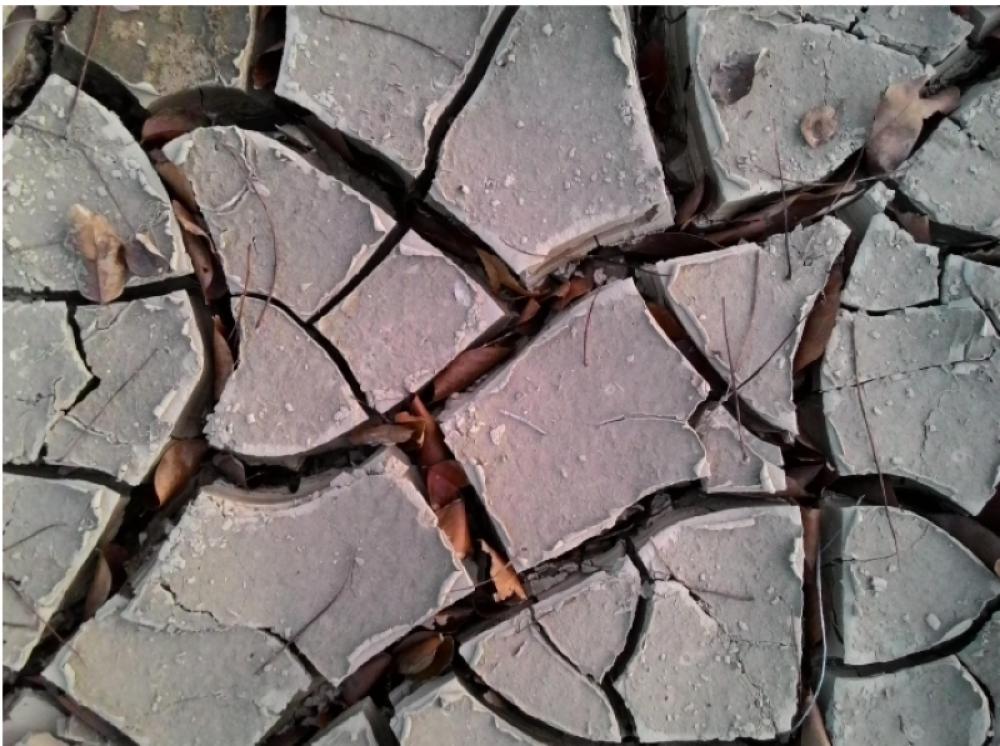 El Nino
 451,000 deaths could follow as extreme heat grips the world amid Super El Nino panic, warns study. Photo: Pixabay
This year’s “Super El Niño” could lead to an estimated 451,000 deaths from extreme heat, according to a new study by the Climate Impact Lab.
The projected deaths would come on top of the impacts of droughts, wildfires and flooding expected from rising temperatures and shifting rainfall patterns as the El Niño event could become one of the strongest on record, the study found.
The report identifies the regions where the greatest number of people are projected to die from extreme heat and highlights areas where immediate action could potentially save tens of thousands of lives.
“We have long been able to predict the impacts of temperatures on crops, and now we can predict their impact on the worst outcome—death,” said Michael Greenstone, co-founder of the Climate Impact Lab and the Milton Friedman Distinguished Service Professor in Economics at the University of Chicago.
“The result is that we now can estimate that 451,000 people may die in the coming months due to El Niño. This is such a large number that it can be numbing, but it is made up of parents and children, grandparents and neighbors, people going to work, caring for families, and living their lives,” Greenstone said.
He added that the report could help decision-makers identify areas where emergency measures can be implemented to save lives during the coming months.
Global South to bear the brunt
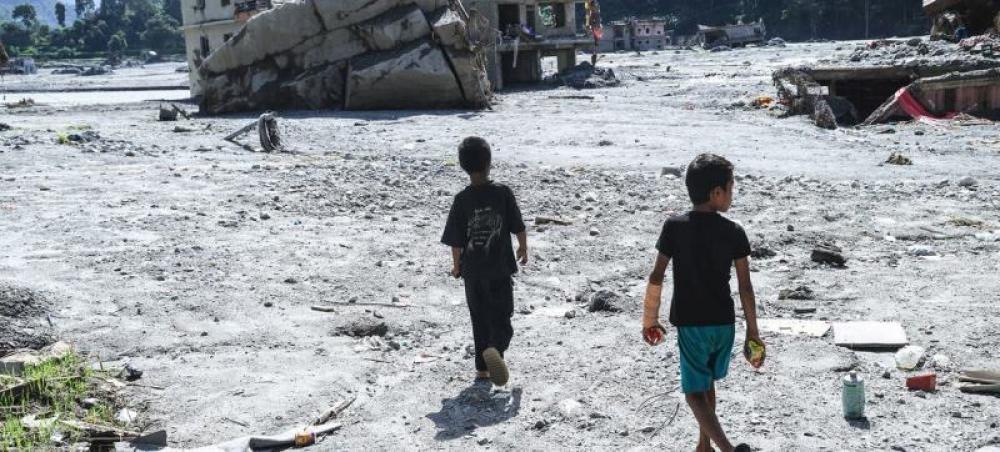
The 451,000 deaths projected during the first nine months of the El Niño period, from June to February, are about 65 times higher than the estimated 6,800 people believed to have died or gone missing in the recent Nepal flash floods, according to the report.
The projected heat-related deaths are expected to be concentrated overwhelmingly in the Global South.
Over the next six months, the report projects an additional 66,800 heat-related deaths across the Sahel region of Africa. Nigeria is expected to account for nearly half of these, with an estimated 31,400 additional deaths.
Sudan is projected to record another 17,500 heat-related deaths, followed by Niger with 10,000 and Chad with 8,000.
In Southeast Asia, extreme heat linked to El Niño is projected to cause an additional 19,400 deaths across the Philippines, Vietnam, Thailand and Cambodia, while Indonesia could see an estimated 19,300 additional deaths.
India is projected to record 15,800 additional heat-related deaths. In South America, Brazil is expected to be the most affected country, with an estimated 13,300 deaths attributed to El Niño-related heat.
Emergency measures could save lives
The report said directing emergency response and resilience efforts toward high-priority regions could help prevent tens of thousands of deaths.
The Climate Impact Lab’s Adaptation Inventory provides a regularly updated evidence base of adaptation measures that have been shown through peer-reviewed research to help reduce heat-related deaths. These include early warning systems, cooling centres and protections for outdoor workers.
Some of these measures are already being implemented to protect communities from the current El Niño event. However, the report said the new projections highlight the need to prioritise mortality risks from extreme temperatures alongside existing efforts to address threats to food security.
A glimpse into the future
The study describes this year’s El Niño as a “postcard from our future,” arguing that the temperatures associated with the event resemble conditions that climate change could bring about roughly 20 years from now.
The event therefore offers a glimpse of potential future conditions if investments in climate adaptation are not increased, the report said.
The Climate Impact Lab highlighted several areas for longer-term adaptation, including more accurate temperature forecasting and wider access to cooling technologies. Its ongoing research aims to identify which measures are most effective and how they can be scaled up in vulnerable regions.
“Increasing emergency response and better targeting our efforts can save many lives this year. But 20 years from now, once today’s extreme temperatures become the new normal, we don’t want to be in a constant state of emergency,” said Tamma Carleton, co-author of the report, Faculty Head of Research for the Climate Impact Lab and an assistant professor at the University of California, Berkeley.
“We need to mobilize resources now to design, deploy, and evaluate the preparation and planning tools that will save lives in the years ahead,” she added.
- Rescue race in Nepal: 10 missing after avalanche buries base camp
- 'Glaciers don’t travel with a visa': Nepal PM Balen Shah’s big UNGA climate warning
- Heatwave shock: UK sees hottest day of the year at 38.1 °C
- Red alert, rising deaths: UK's deadly heatwave leaves nearly 2,900 dead
- Heatwave horror: Over 2,700 people may have died in England and Wales
-1791127926.jpg "Image of the day: October 4, 2026")