
Just Earth News | @justearthnews | 08 Jun 2021, 10:44 pm Print
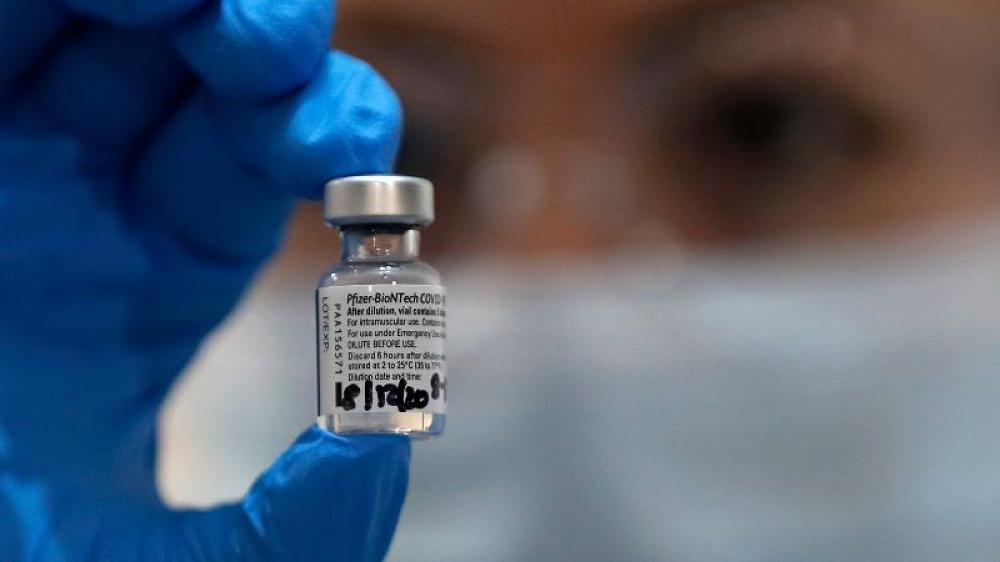 Pfizer
 Wallpaper Cave
Pfizer on Tuesday said it will begin testing its COVID-19 vaccine on a larger group of children under the age of 12.
"Today begins the Phase 2/3 part of our continuous study of the Pfizer -@BioNTech #COVID19 vaccine in healthy children. This is the next step allowing us to gather data to understand the safety and immunogenicity of the vaccine in this group aged 5–11 years," the company tweeted.
Today begins the Phase 2/3 part of our continuous study of the Pfizer - @BioNTech #COVID19 vaccine in healthy children. This is the next step allowing us to gather data to understand the safety and immunogenicity of the vaccine in this group aged 5–11 years.
— Pfizer Inc. (@pfizer) June 8, 2021
Meanwhile, even though COVID-19 cases and deaths have declined in recent weeks, the world is facing a “two-track pandemic”, the UN’s top health official said on Monday in his ongoing campaign to get more vaccines to developing countries.
Tedros Adhanom Ghebreyesus, Director General of the World Health Organization (WHO), said unequal distribution of vaccines has allowed the virus to continue spreading, thus increasing odds of a variant emerging that could render these treatments ineffective.
“Inequitable vaccination is a threat to all nations, not just those with the fewest vaccines”, he warned in his latest media briefing from WHO headquarters in Geneva.
‘A mixed picture’
As of Monday, there were more than 173 million confirmed cases of COVID-19 globally, including 3.7 million deaths.
Tedros reported that new cases have dropped for six weeks, and deaths for five weeks. Despite these “encouraging signs”, he said progress remains “a mixed picture” as last week, deaths rose in Africa, the Americas and the Western Pacific.
“Increasingly, we see a two-track pandemic: many countries still face an extremely dangerous situation, while some of those with the highest vaccination rates are starting to talk about ending restrictions”, he told journalists.
Tedros advised caution in lifting restrictions, given the increased global transmission of variants of concern, as consequences could be disastrous for those not yet inoculated.
Meanwhile, many countries still lack sufficient vaccines. So far, nearly 44 per cent of doses have been administered in richer countries. In poorer nations, the figure is just 0.4 per cent.
The United Nations has been pressing governments to share their excess doses to the global vaccine equity initiative, COVAX. Several countries have pledged donations, which Tedros hoped will soon be fulfilled.
- Microplastics become chemically active in water, raising health concerns: Study
- Struggling with sleep? Samsung Health's latest update promises more personalised guidance
- Eating sugar while on antibiotics? New study raises concerns about gut health
- High Cholesterol? Eating oats for just 2 days may help lower LDL levels
- This everyday snack could hold a clue to diabetes prevention, study finds
-1791127926.jpg "Image of the day: October 4, 2026")