Top pick: Lashkar-e-Taiba co-founder Amir Hamza shot by unknown gunmen in Lahore


Just Earth News | @justearthnews | 23 Jan 2026
#Iran protests #Iran crackdown #Iran protest deaths #Iran internet blackout #Iran human rights violations
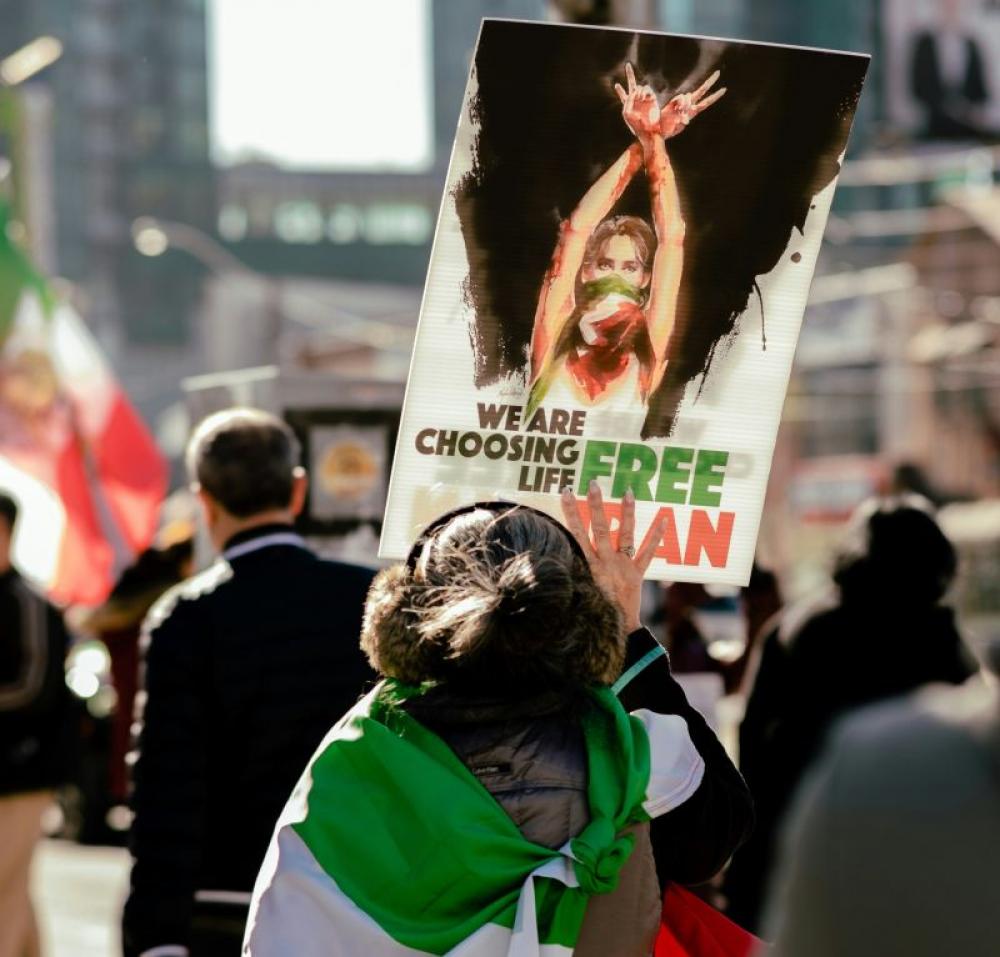
Iranian Protests
The death toll from the Iranian government’s deadliest crackdown on protesters has climbed to 5,137, according to aggregated data from the Human Rights Activists News Agency (HRANA).
At least 7,402 people have suffered serious injuries, while the total number of arrests has risen to 27,797, the agency reported.
Meanwhile, Iran has enforced a near-total nationwide internet blackout since January 8. According to monitoring group NetBlocks, the blackout has now entered its third consecutive week, lasting 348 hours, HRANA said.
The escalating repression has drawn sharp criticism from the United Nations. UN High Commissioner for Human Rights Volker Türk expressed deep concern over Iran’s state-led crackdown while addressing the Human Rights Council in Geneva.
Although the “killing on the streets of Iran may have subsided,” Türk warned that “the brutality continues.”
He stressed that violent repression does not resolve Iran’s challenges but instead fuels further human rights violations, instability, and bloodshed.
“We have indications that security forces carried out mass arrests in several cities, including pursuing injured protesters into hospitals,” Türk told diplomats. He added that lawyers, human rights defenders, activists, and ordinary civilians have also been detained.
Türk further noted that the Tehran Prosecutor’s Office has reportedly opened criminal cases against athletes, actors, film industry professionals, and café owners, accusing them of supporting the protests.
The demonstrations erupted across Iran on December 28, triggered by the collapse of the national currency, soaring inflation, and deteriorating living conditions.
Also addressing the Council, former international prosecutor Payam Akhavan recounted harrowing testimonies from the ground, including one case in which a protester pretended to be dead inside a body bag for three days until his parents discovered him.
According to civil society representatives, families searching for missing relatives often begin at hospitals, where “many wounded protesters have been abducted and killed.”