Top pick: Trump's tariff agenda faces trouble? Some Republicans say they could side with Democrats


Just Earth News | @justearthnews | 28 Nov 2026
#Donald Trump tariffs #US tariffs #Republicans against Trump #Democrats #Trump trade policy #Todd Young #Michael Guest #US politics
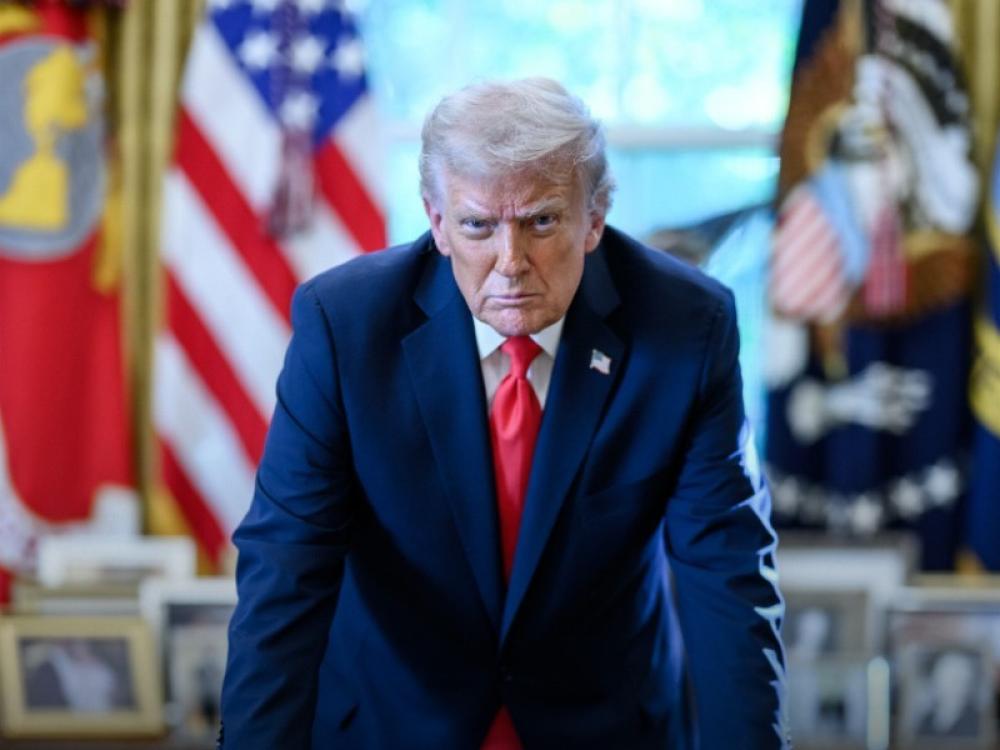
Donald Trump and Republican suffered a jolt in the midterm polls. Photo: Photo: Instagram/@whitehouse
Democrats, who are seeking to roll back President Donald Trump's tariffs when they regain control of Congress, may find support from some Republicans, marking an unexpected shift in the political landscape, media reports said.
Following a series of damaging election defeats, partly driven by voter concerns over rising living costs, several Republicans have indicated they are open to reconsidering some of the tariffs that have become a central pillar of Trump's global trade agenda, the Associated Press reported.
The latest tariffs are expected to affect major economies, including China and the European Union, as well as 12 other jurisdictions, including Japan, South Korea and Taiwan.
However, the new duties are unlikely to take effect until next year, following several rounds of public consultation.
In the aftermath of the elections, which dealt a political setback to Trump and the Republicans, several congressional Republicans have expressed willingness to review the tariffs, at least on a case-by-case basis.
Democrats could use this opening to secure early political gains by seeking bipartisan support for challenging some of the president's trade measures.
"A rethink is indeed in order," Republican Senator Todd Young of Indiana told the Associated Press.
Young said he would support a bipartisan approach to ensuring that tariff policies remain consumer-friendly.
"I'll be a bipartisan voice for making sure we have the most consumer friendly tariff approaches and I think there will be a whole lot of receptivity within the administration to my approach," he said.
Republican Representative Michael Guest of Mississippi also indicated that he could find common ground with Democrats on certain tariff-related issues.
"There may be some areas that I would agree with the Democrats," he told the news agency.
However, Guest said he would oppose any blanket restriction on the president's authority to impose tariffs.
"I would personally be opposed to just a blanket restriction on the president's ability to impose tariffs. But I would be willing to look at it on a case-by-case basis based on what the Democrats may bring forward," he said.
During his second term, Trump has repeatedly threatened or imposed tariffs, arguing that the measures would strengthen US manufacturing and create jobs.
Despite the Republicans' poor performance in the midterm elections, Trump has continued to pursue his trade agenda.
The latest levies are being developed on what the administration considers a "stronger legal foundation" under US law than Trump's April 2025 "Liberation Day" tariffs, Singapore Management University economics lecturer Chang Pao-Li told the BBC.
Trump had earlier invoked emergency presidential powers to impose tariffs, which have since been struck down by the courts. His latest approach, however, relies on the US Trade Representative's (USTR) authority to impose duties in response to certain foreign trade practices, Chang explained.
Although the new tariffs are also likely to face legal challenges, Chang said there was a historical precedent for such measures remaining in force.