Top pick: Nepal flood catastrophe leaves 7 dead, 384 tourists missing


Just Earth News | @justearthnews | 12 Jan 2026
#Iran protests #Iran crackdown #648 protesters killed #Iran Human Rights #Iran internet blackout #Iran executions #Iran arrests #anti-government protests Iran #Iran Revolutionary Guards
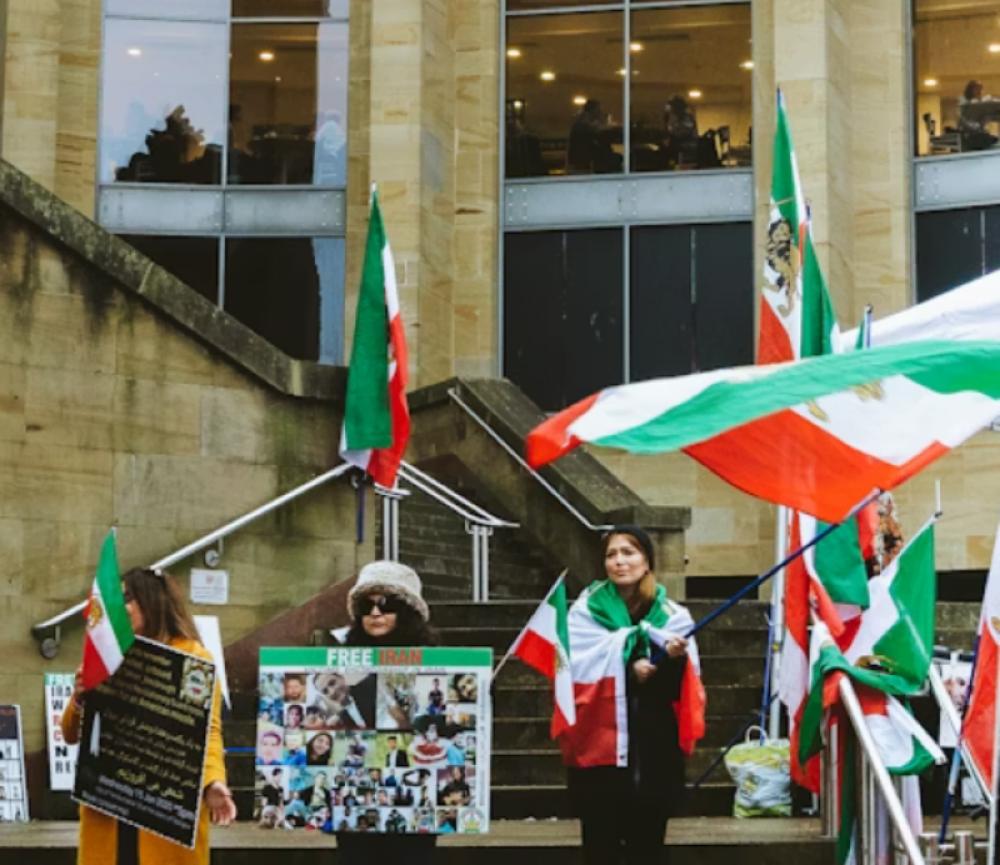
Iran is witnessing mass anti-regime protests. Photo Unsplash
Sixteen days into the new wave of anti-government nationwide protests in Iran, at least 648 protesters, including nine children under the age of 18, have been killed, and thousands injured, said Iran Human Rights.
At the same time, unverified reports indicate that at least several hundred people, and according to some estimates more than 6,000, may have been killed.
Due to the internet blackout since 8 January and severe restrictions on access to information, it is extremely difficult to independently verify these reports, reads the Iran Human Rights website.
The number of people arrested in the recent protests is estimated to exceed 10,000.
Meanwhile, officials of the Islamic Republic have described protesters as rioters, mohareb (enemies of God), terrorists and agitators, linking them to Israel and the US, offences that are punishable by death.
They have also vowed to deal with the cases “severely” and swiftly” in special branches of the Revolutionary Courts.
Unverified reports suggest that at least one protester is at risk of execution only days after arrest, the website said.
Sources close to the family of Erfan Soltani, 26, who was arrested on 8 January in Fardis, Karaj, told IHRNGO that “his family were told that he had been sentenced to death and that the sentence is due to be carried out on 14 January.”
Iran Human Rights expresses deep concern about the escalation and continuation of the killing of protesters, and the risk of mass executions of protesters and calls for an immediate response from the international community.
IHRNGO Director, Mahmood Amiry-Moghaddam stated: “The widespread killing of civilian protesters in recent days by the Islamic Republic is reminiscent of the regime’s crimes in the 1980s, which have been recognised as crimes against humanity. The risk of mass and extrajudicial executions of protesters is extremely serious. Under the Responsibility to Protect, the international community has a duty to protect civilian protesters against mass killings by the Islamic Republic and its Islamic Revolutionary Guard Corps. We call on people and civil society in democratic countries to remind their governments of this responsibility.”
The new round of protests, which began on 28 December 2025 in Tehran’s bazaar over poor economic conditions, quickly spread to other parts of Iran, accompanied by anti-government slogans. Until the internet blackout, protests had spread to all 31 provinces and around 120 cities.
According to data gathered by IHRNGO, at least 648 protesters in 14 provinces have been killed since the start of the protests. It should be noted that the number only includes cases verified directly by IHRNGO or through two independent sources.
The figures also include reports and documentation from hospitals and locations where the bodies of the slain are being held. Nine of those killed are reported to have been under 18 years old. IHRNGO is working to confirm their exact ages through document identification.
In a video released from Kahrizak morgue in southern Tehran, the bodies of 250 protesters can be seen. According to a doctor who spoke to Time magazine anonymously, they saw 217 bodies in six hospitals in Tehran (there are reported to be over 100 hospitals in the city).
Other sources have reported to the website that high numbers of deaths in several cities, including Isfahan, Mashhad, Rasht, Karaj and Shiraz. IHRNGO has also received reports of fatalities in other cities which it is working to verify.
State media have reported that at least 121 members of the Islamic Republic’s military, police and judicial forces have been killed in the recent protests, stating that this figure does not include Tehran.
State forces have used military weapons against protesters, and in some cases have fired at protesters’ heads and upper bodies from close range. Mass arrests have also been reported in a number of cities. The number of detainees is estimated to have exceeded 10,000, the website said.
From 22:00 on 8 January, the internet was shut down across Iran. According to NetBlocks, 99% of Iran’s internet has been under blackout since.
The last time Iran experienced a comparable nationwide internet blackout was in November 2019, when hundreds of protesters were killed over the course of several days, and according to some reports up to 1,500 people were killed by state forces.